



Support the Emergency Response >

Hippopotamus Population Shows Signs of Recovery in Virunga National Park
The latest census, conducted in February 2026, provides an encouraging update on one of Virunga National Park’s most iconic species. The results indicate a gradual recovery of the hippopotamus population, reflecting sustained conservation efforts across the Park. Park teams identified 171 groups of hippos across surveyed areas, with the highest concentration located south of Lake Edward – now the primary population centre. The census also recorded 153 calves, an important indicator of ongoing reproduction within the population.
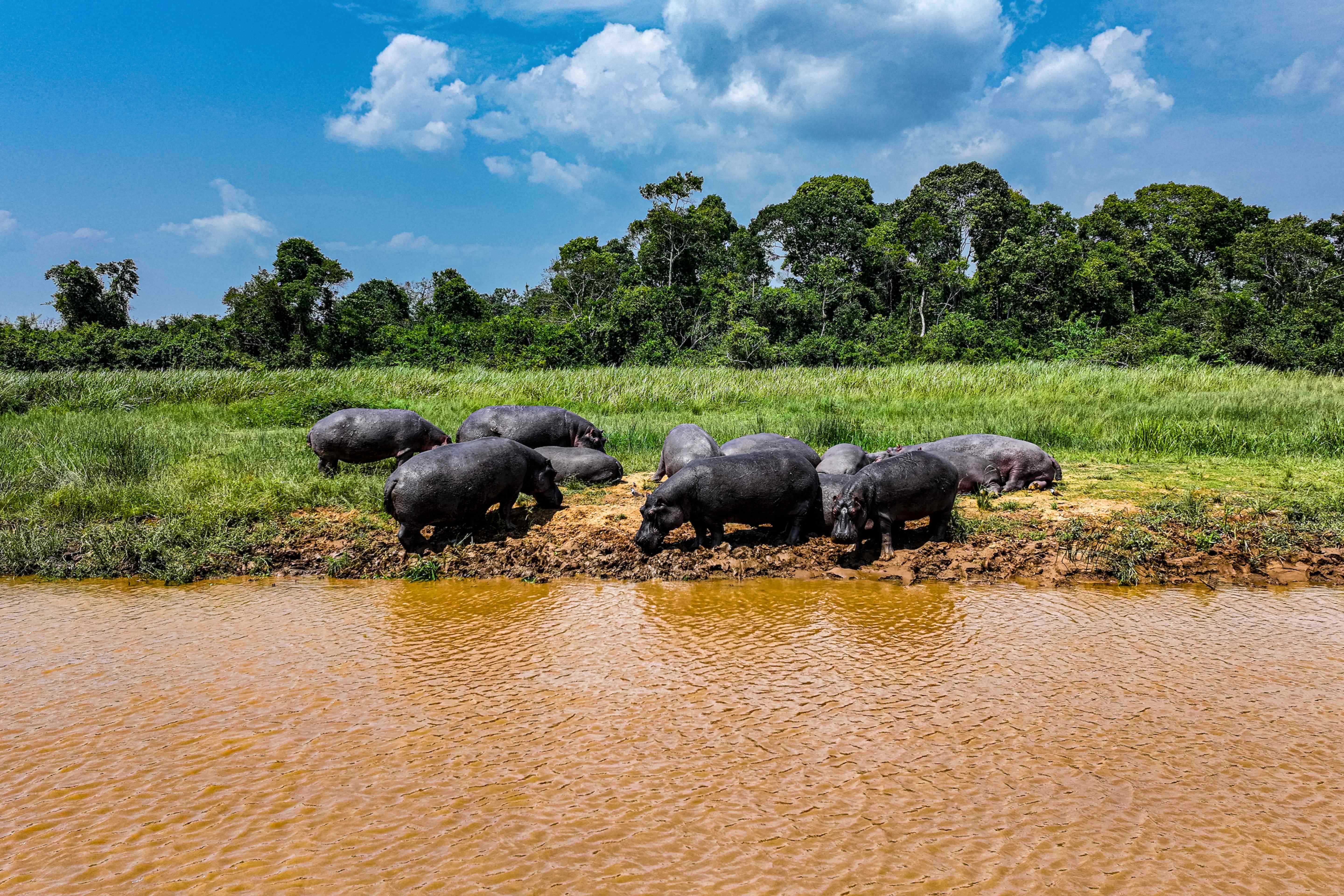
These findings come in the context of recent challenges. In 2025, an anthrax outbreak resulted in the loss of 65 hippos. Despite this, the total population is now estimated to exceed 2,700 individuals following scientific adjustment, suggesting a steady recovery after years of decline. This progress reflects consistent, on-the-ground conservation work. Ranger patrols, improved access to previously unstable areas, and the use of drones during the census have all contributed to more accurate monitoring and stronger protection of wildlife.
Historically, Virunga’s hippopotamus population was one of the largest in Africa. Numbers declined sharply over several decades – from nearly 29,000 individuals in 1974 to fewer than 1,000 in 2005. The 2026 census indicates that recovery is underway, though continued protection remains essential. Beyond the figures, the trend is clear: when habitats are secured and monitored consistently, wildlife populations can begin to recover.
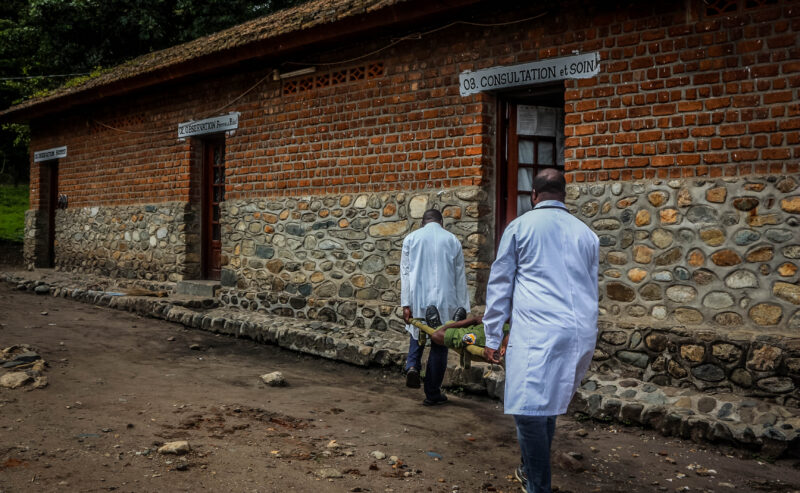
Two thirds of Virunga National Park is inside an active Ebola zone. The WHO has declared a global health emergency – and our teams are already responding, using the same strategy that helped stop the 2018–19 epidemic. We need your support to sustain it.
Read More
Help Protect A Ranger
Discover