

Virunga's Mountain Gorilla Families

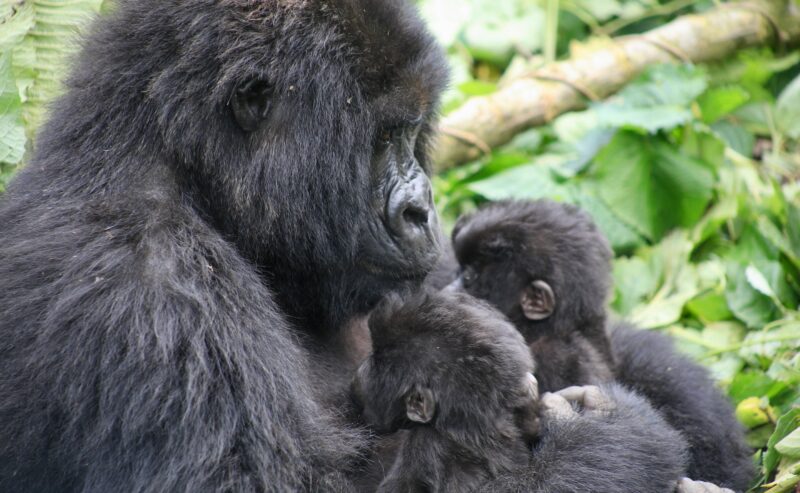
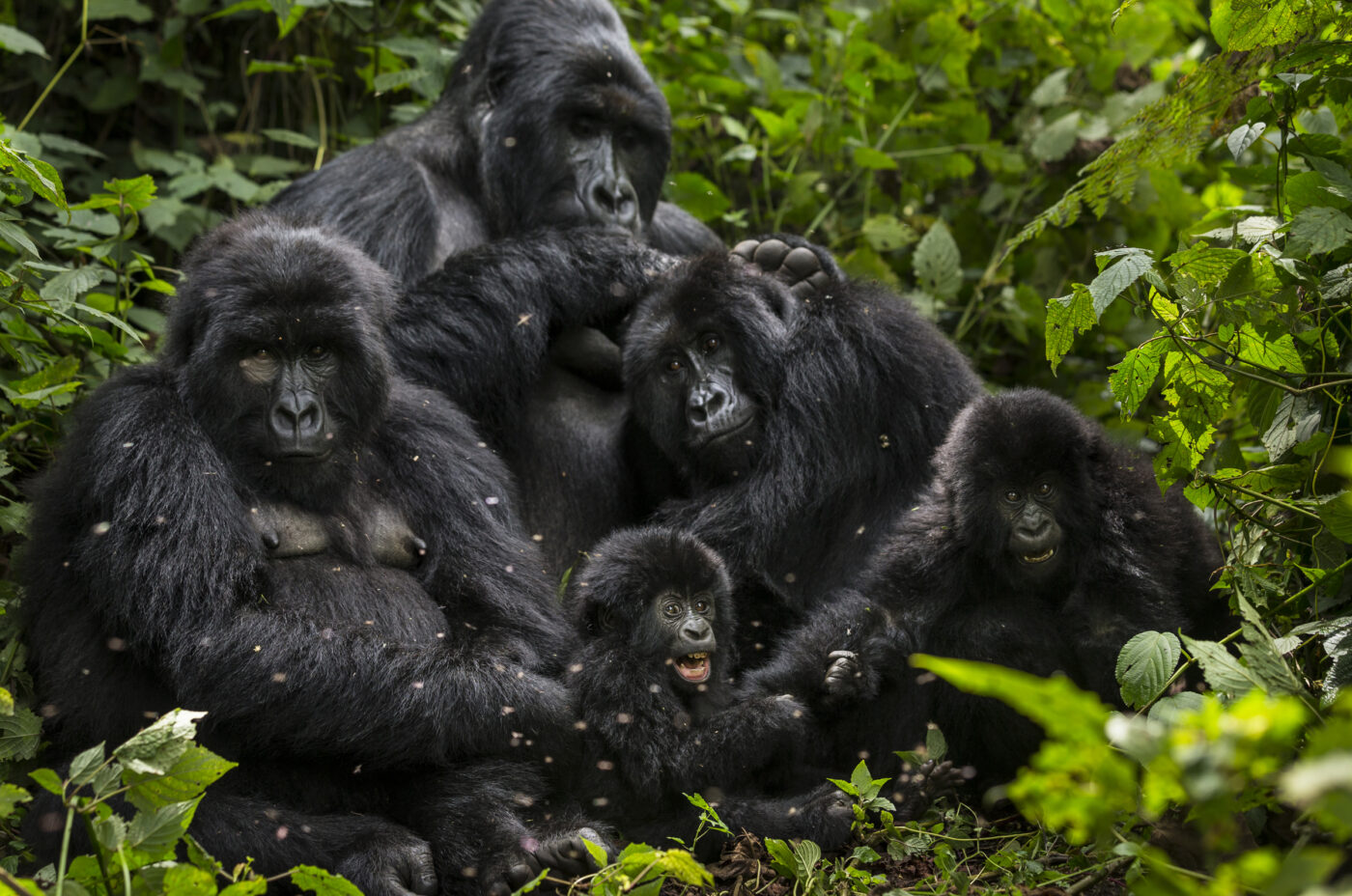
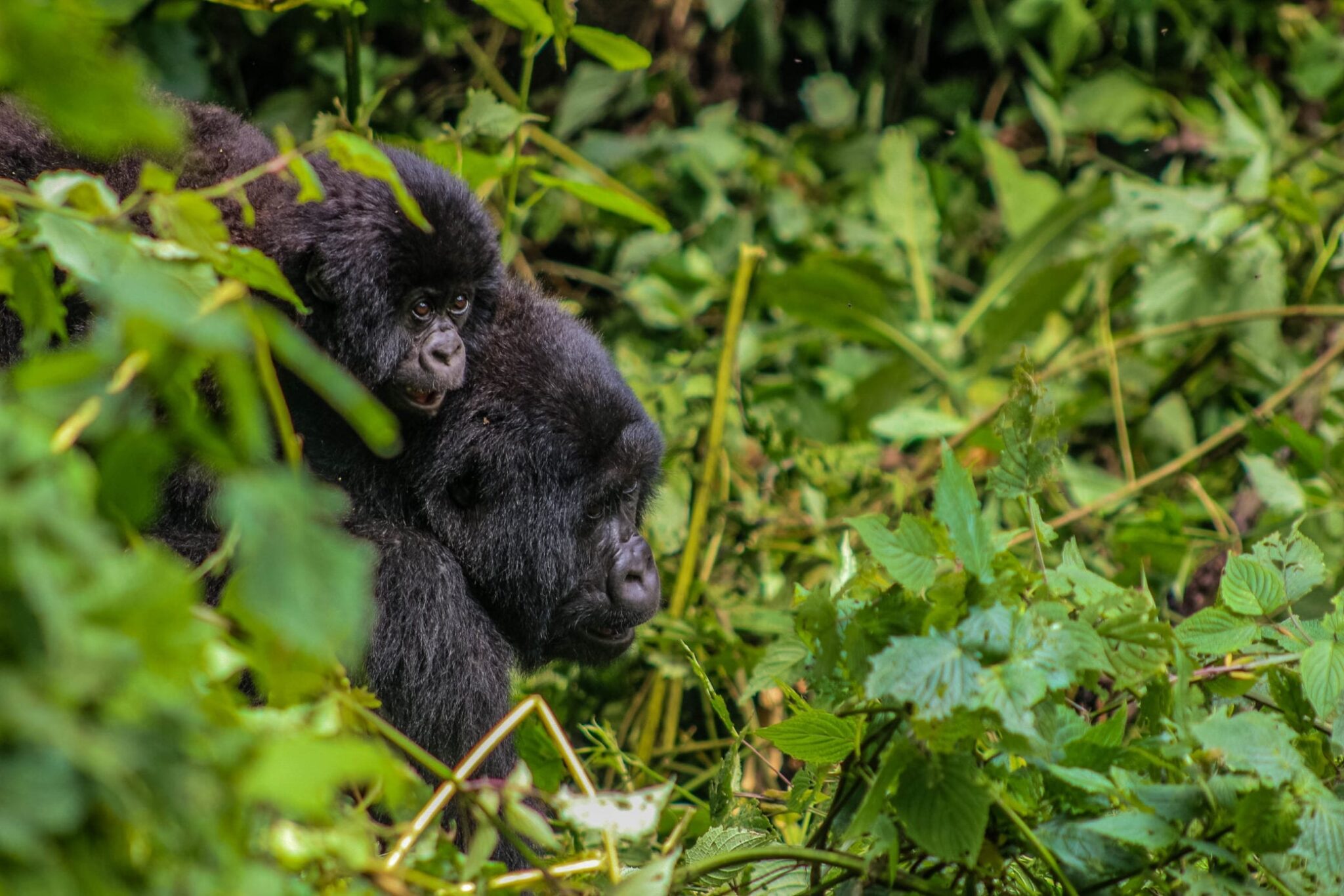
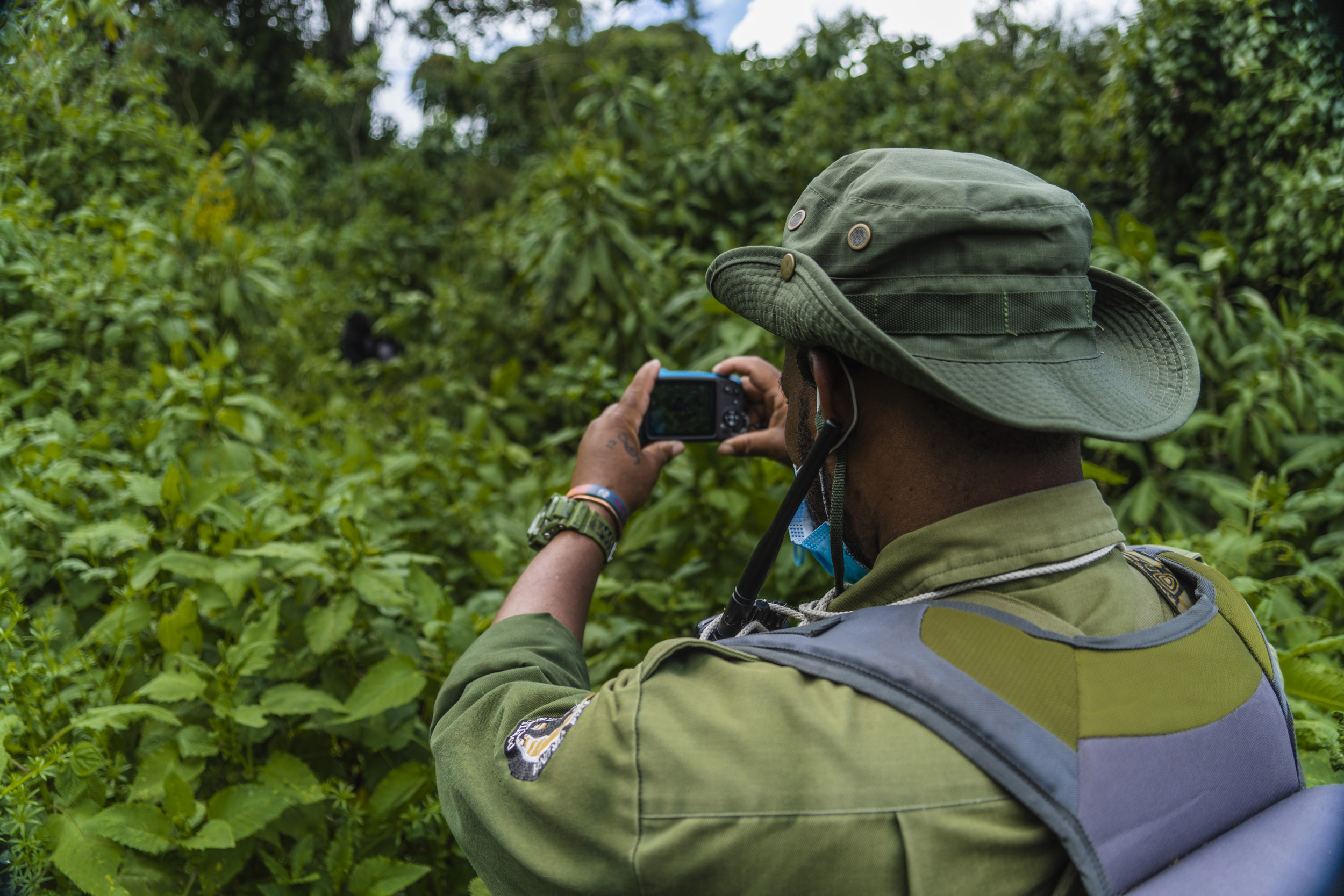
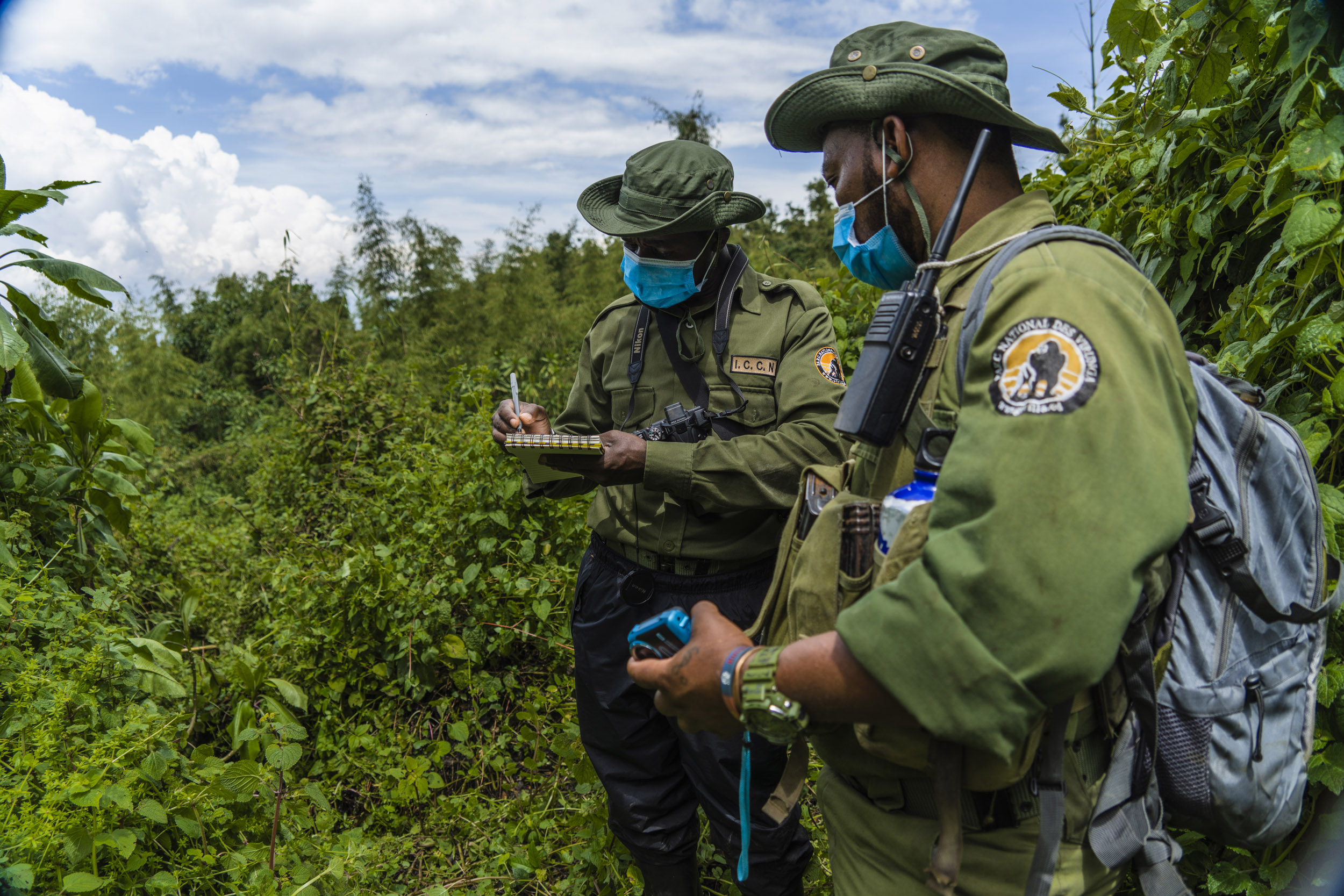
Of the 11 mountain gorilla families that roam the Virunga Mountains, nine have been fully habituated, with the remaining two currently undergoing the process of habituation. Learn more about the gorilla families that your support helps the Park to monitor and protect.

The Bageni Family

Family Origins – Bageni became a silverback in 2010 and stayed with his father Kabirizi until 2013. After repeated confrontations, Bageni left with 20 individuals on 27th January 2013 to form his own troop. Among them were eight females, including his mother Mapedo and mature Kamoso, as well as the silverback Kanamahalagi and subadult male Ntamuvulira.

Surpassing Kabirizi – In January 2015, Bageni gained another female during a confrontation, leaving Kabirizi with only three females.

Clashes with Willungunla – In May 2019, Bageni fought with Willungunla, leader of a troop of 40 undergoing habituation. Bageni emerged with two more adult females.

The Bageni Family Today – With 56 members, Bageni’s is the largest troop in the Park. Recent assessments note conflicts among the three silverbacks, suggesting a possible split. Each silverback now moves with different members, sometimes 200–400 meters apart. Still, Bageni’s troop remains the largest in the Virunga Massif.


The Wilungula Family

The Wilungula family, recently accustomed to human presence, counts 36 individuals, including five silverbacks. The Park’s community trackers observed Shabani, a female from the Kabirizi family, switching allegiances to the Wilungula group after a recent family interaction.

The Kabirizi Family

Family Origins – Many Kabirizi family members came from the Zunguruka troop, habituated in 1994 in Bukima.

Kabirizi Prevails – In February 1998, Munyaga, a solitary male of unknown origin, briefly took over the group before Kabirizi reclaimed all his females after several confrontations.

Bageni Challenges – Between 1998 and 2012, Kabirizi’s family grew to 36. At its peak, Kabirizi’s son Bageni challenged his father and left with 20 individuals.

Tension Builds – From 2013 to 2025, the Kabirizi family recorded 16 births, heavily bolstering the group. The number of silverbacks – seven – remained the highest of any family in the Park, effectively guaranteeing conflict for control of the group and access to females.

Masibo Split – On 28th August 2025, following leadership struggles, Masibo challenged his father Kabirizi, who was unable to maintain absolute authority over the group and its silverbacks. A split followed, with Masibo taking 12 members, including 4 silverbacks, and Kabirizi leading the remaining members towards Gatovu.

The Kabirizi Family Today – On 17 October 2025, an interaction between the two groups in the Bukima area prompted the monitoring team to suspect a reunification. The two groups separated again the following day, confirming the definitive split of the family and leaving Kabirizi with 12 mountain gorillas under his watch.

The Mapuwa Family

Family Origins – Silverback Mapuwa belonged to his father Rugendo’s family until August 1995, when he left with his brother Ruzirabwoba to live as a solitary male. It took three years and several clashes with Lulengo before Mapuwa secured two adult females to form a troop.

Mapuwa, The Aggressor – In 1999, he clashed with the Kwitondo and Rugabo families, gaining four more individuals.

Rapid Expansion – Between 2000 and 2009, the troop grew to 15 members through births and migrations. By March 2020, it reached around 22.

Mvuyekure Challenges – In 2017, the ageing Mapuwa lost leadership to silverback Mvuyekure. He was exiled temporarily, later returning as a subordinate.

The Mapuwa Family Today – The troop now has 28 members, led by silverbacks Mvuyekure and Wathaut. Mapuwa has not been seen recently, confirming Mvuyekure as the new leader.

The Rugendo Family

Family Origin – Alongside the Rugabo and Zunguruka families, the Rugendo troop was among the first habituated in Jomba in 1984. From then to March 1998, the group grew from 10 to 18 members before splitting in December 1998 after a clash between Rugendo and his son Humba. In 2001, Rugendo was killed by rebels in Bukima, and his son Senkwekwe became the new leader.

Senkwekwe Massacre – Senkwekwe led until 2007, when he and five others were killed, likely to intimidate rangers.

Hope From Tragedy – The five surviving gorillas carried on without a leader. In 2009, Virunga opened the world’s only mountain gorilla sanctuary, named the Senkwekwe Centre, for orphans of poaching and conflict.

A New Leader – In 2008, after conflict eased, tracking resumed. A formerly solitary silverback, Bukima, was found leading the group.

The Rugendo Family Today – Now numbering 18 members, the troop saw five births from 2022 to 2024. Before his death in June 2024, Bukima had integrated a young female from the Humba family. The new leader is silverback Gongomani.

The Humba Family

Family Origins – In December 1998, the Humba family formed after ongoing clashes between Humba and his father Rugendo split the Rugendo troop in two. Humba left with his brother Nyakamwe, who later became a silverback.

Troop Expansion – Between 1998 and 2009, the troop grew to 17 members through births and emigrations, with only one recorded death.

Clash With Nyakamwe – In April 2014, tensions led to a split. Humba kept six members, while Nyakamwe departed with nine.

Clash With Munyaga – In February 2015, the adult female Kakule joined the Humba family after a confrontation with Munyaga.

The Humba Family Today – Now with 18 members, the troop gained three individuals since 2022. One young female joined the Rugendo family. To maintain harmony within the group, the two silverbacks, Humba and Mahindure, have split the females between them to ensure balance and stability within the troop.

The Nyakamwe Family

Family Origins – The year 2014 saw the inception of the Nyakamwe family. The silverback of the same name was originally part of the Rugendo family with his brother Humba. When the family split in 1998, Nyakamwe followed his brother to form a new troop as a subordinate male. Following several confrontations between the two brothers in 2014, a further family division took place on 5th April, leaving Humba with six individuals and Nyakamwe with ten.

Clash With Kabirizi – On 20th August 2015 a confrontation with Kabirizi led to the migration of the adult female Kabila to Nyakamwe’s troop. 

The Nyakamwe Family Today – Like the Humba family, the Nyakamwe troop now counts 18 individuals, compared with 15 in 2022. The Park’s gorilla monitoring team has also noted the disappearance of the Kanyangara blackback, who may have become solitary.

The Lulengo Family

Family Origins – The original leader of this family was Rugabo (also known as Marcel by the habituation team). In 1994, the silverback, along with two females, was brutally murdered during an attack in which a young gorilla known as Mvuyekure was kidnapped. The poachers, whose motive was to sell the juvenile in Uganda, were subsequently arrested and jailed. In the aftermath, Lulengo assumed leadership of the twelve remaining members of the troop.

Clash with Mapuwa – In 1998, Lulengo had multiple clashes with Mapuwa, which led to a number of gorillas migrating to Mapuwa’s family. 

Clash with Rugendo – A clash with Rugendo in 2014 resulted in the female Bagambe emigrating to Lulengo’s troop.

The Lulengo Family Today – At the start of 2022, the Lulengo family consisted of 12 gorillas, but it now has 15 individuals. Born on May 6th, 1984, silverback Lulengo (one of the oldest dominant males in the Mikeno sub-sector) continues to lead the family.

The Munyaga Family

Family Origins – Before 1998, Munyaga was unhabituated and not regularly tracked. He was known through interactions with the Buhanga family, which led some of its members, including brothers Kasole and Mawazo (now silverbacks), to join him. Habituation revealed a unique member, Kadogo—the only known bald-headed gorilla in the Mikeno sector.

Kabirizi Clashes – After Kabirizi killed Buhanga, Munyaga briefly led the remaining members. However, Kabirizi later took all of Buhanga’s females following a clash with Munyaga.

Family Decline – Between 1998 and 2002, the troop shrank from 12 to 6 members due to multiple family clashes.

Munyaga’s Disappearance – From 2007 to 2008, Munyaga vanished while CNDP rebels occupied his range, preventing ranger monitoring. During this time, Mawazo became the dominant silverback.

The Munyaga Family Today – The smallest troop in the Mikeno sector, Munyaga’s group has remained stable since 2020. Between 2022 and 2024, they recorded one birth and lost a young female, Masika, to the Humba family. The troop is now led jointly by Kasole and Mawazo after a past rivalry.

The Baraka Family

Similarly to the Wilungula family, the Baraka family has recently become accustomed to human presence. During the assessment, it was located at high altitudes, up to 3,000 meters, and numbered 15 individuals.

The Masibo Family

The Masibo group was first identified during field observations that took place between 20th and 23rd October 2025. The monitoring team were able to count 14 individuals, the majority of which left the Kabirizi family when Masibo clashed with him. One young female was identified as a recent immigrant from the Nyakamwe family.

Our Partners

Frequent Asked Questions

A. Mountain gorillas live in family units (troops) led by a dominant male silverback. Other males in the troop are usually subordinate, and the silverback protects and guides the group.

A. The silverback leads the troop, defends it, makes decisions about movement, retains mating rights, and protects family members.

A. Yes, mature females sometimes migrate between families, which helps reduce inbreeding and improve reproductive opportunities.

A. They use vocalizations, chest beats, body postures, gestures, and visual signals to communicate. Silverbacks, in particular, use displays to establish and maintain their status.

A. The incoming silverback may challenge or displace the prior leader, potentially causing conflict. After the takeover, he assumes leadership, defends the rights of females, and may reorganize troop dynamics.