Virunga's Ebola Outbreak Response

An Ebola outbreak caused by Bundibugyo virus was declared in eastern DRC in May 2026. It has since spread to eight provinces, with linked cases in other countries. As of 17 November, the WHO had recorded 11,613 confirmed cases and 5,678 deaths. It is the second largest Ebola outbreak in history, and there is no approved vaccine or treatment.

Virunga has responded to a crisis of this kind before. During the 2018 to 2019 North Kivu epidemic, Virunga’s screening stations at Rwindi and Semliki operated for over a year, screening 3,000 to 4,000 travellers every day across both sites. A formal agreement with the UN Emergency Ebola Response Coordinator established Virunga as a core part of the containment strategy.

2.7 Million + Travellers Screened to Date

Supporting the National Response

Virunga National Park stretches some 300 km from north to south, along the routes travellers use to leave the outbreak zone. Construction of the first screening stations began in early June 2026. Virunga now operates four: three in Ituri, on the axes leaving the original outbreak zone, and one at the Semuliki bridge on the Beni–Kasindi road in North Kivu, which opened on 22 November.

These stations are only possible because of the Park’s community networks, established logistics and its capacity to provide security in areas affected by violent conflict.

Since the first station opened on 27 June 2026, field teams have carried out more than 2.7 million screenings and identified 73 suspected cases (as of 23 November).

Virunga has also been integrated into the national Ebola Response Strategy by the National Public Health Institute (INSP), and provides logistical support and equipment to local health authorities, including five Land Cruisers, thousands of infrared thermometers and body bags, and computer equipment.


How Screening Stations Work

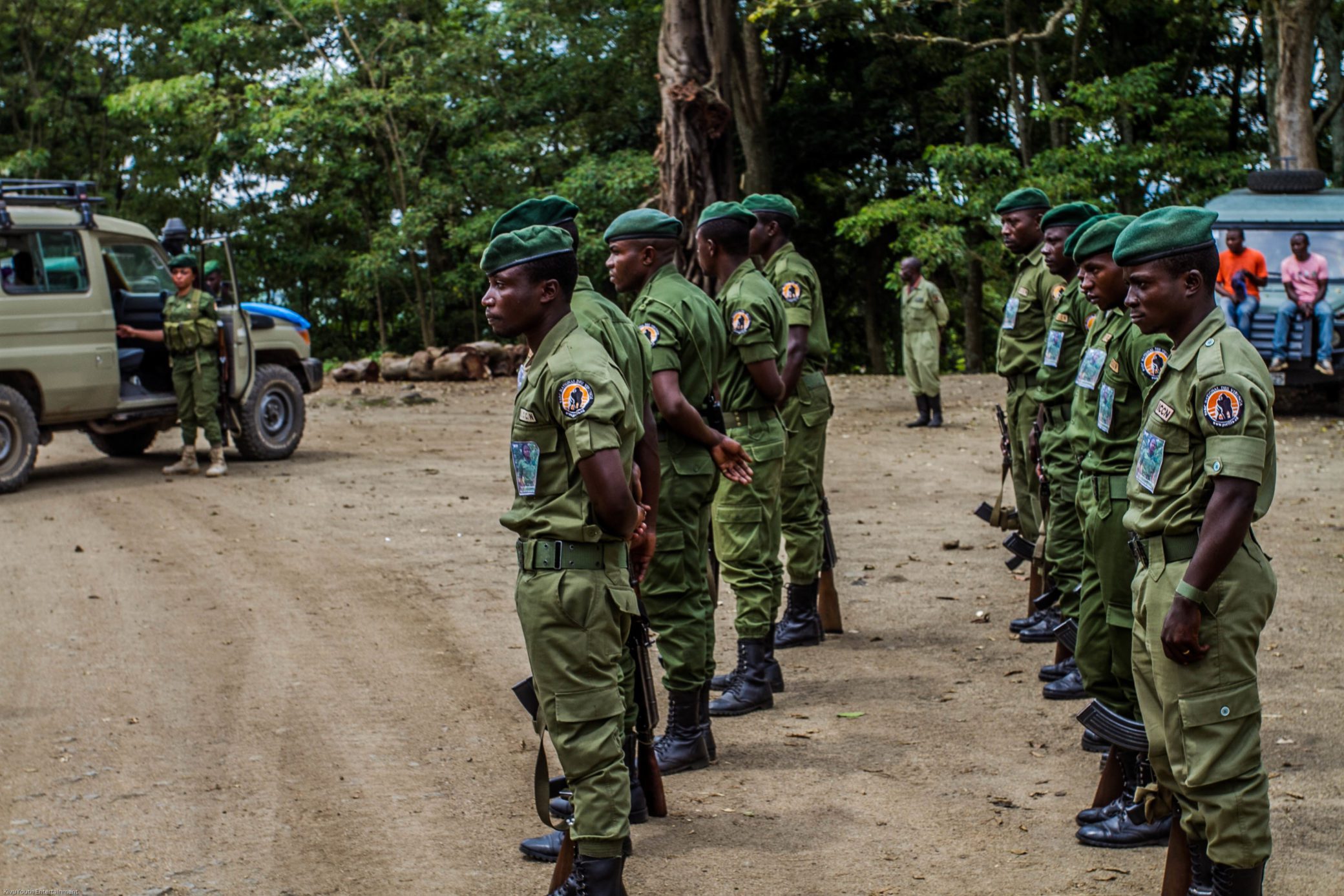
From vehicle stop to referral, a standard screening circuit is used at every checkpoint. Each post is run by a multidisciplinary team of 11 to 18 people: community agents (sensitization, flow and crowd management), hygienists/screeners (hand washing and temperature checks), a post supervisor, and ICCN Rangers providing security.

Health Risks and Security Challenges

Our teams are working at considerable personal risk to contain this outbreak, and Virunga staff have been among those affected by the disease.

This work takes place amid continued conflict in eastern Congo, where millions of people are displaced, and a climate of mistrust and misinformation in which screening teams have faced hostility.

Explore More