

Support the Emergency Response >

Acacias in Virunga: A Closer Look at Acacia sieberiana
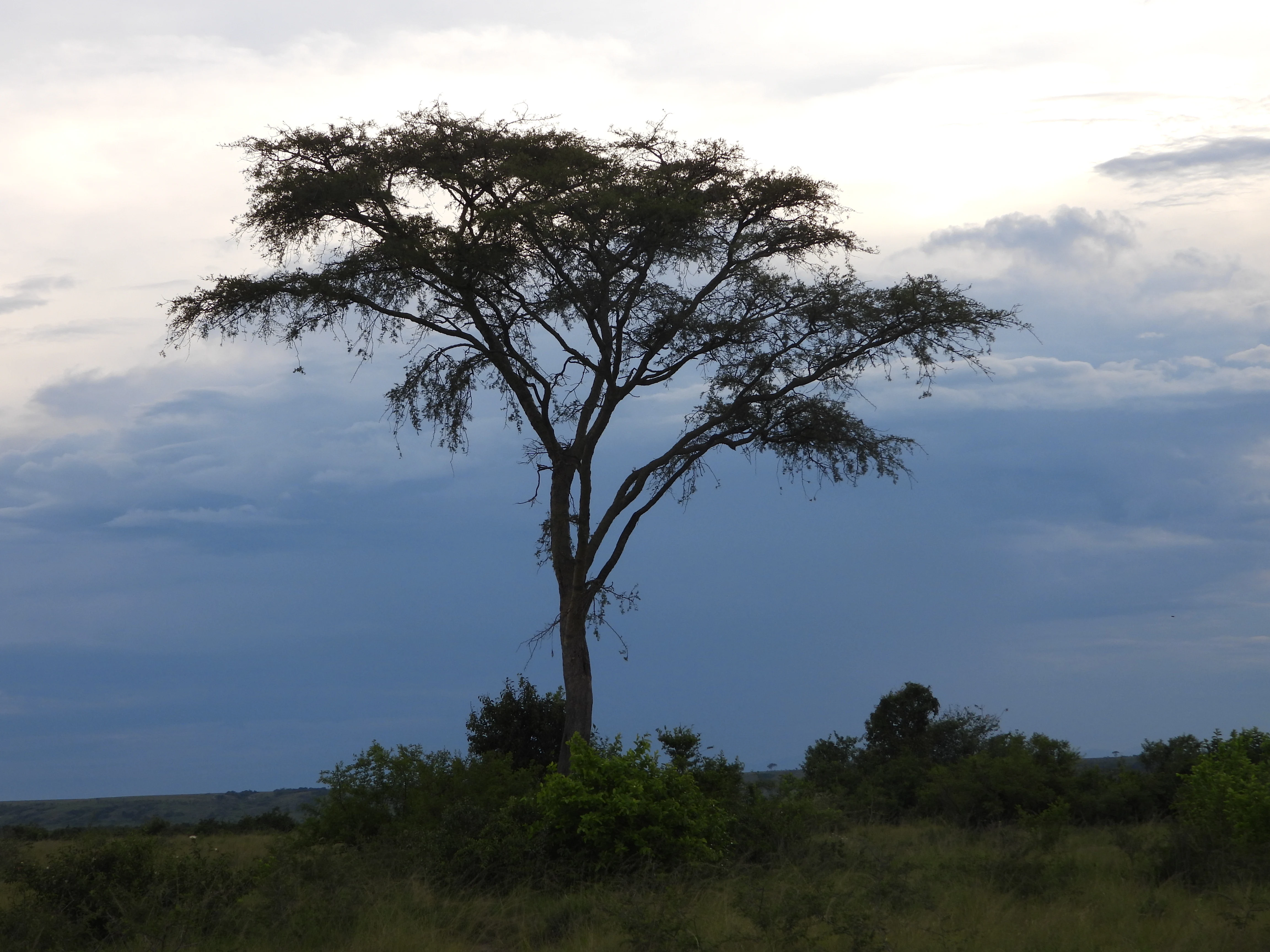
The plains of Virunga’s Central and Lake sectors are home to several species of acacia. Among them, Acacia sieberiana is one of the most widespread.
This species, part of the Fabaceae family, grows across the park’s open savannah landscapes. It typically reaches up to 10 metres in height, with a cylindrical trunk and grey, scaly bark that becomes pale yellow over time. Its long, straight thorns, often around 10 cm, grow in pairs along the branches.
The leaves are fine and bipinnate, allowing light to pass through. Flowering produces rounded, cream-to-yellow flower heads that later develop into woody pods containing smooth, brown seeds.
Ecological role
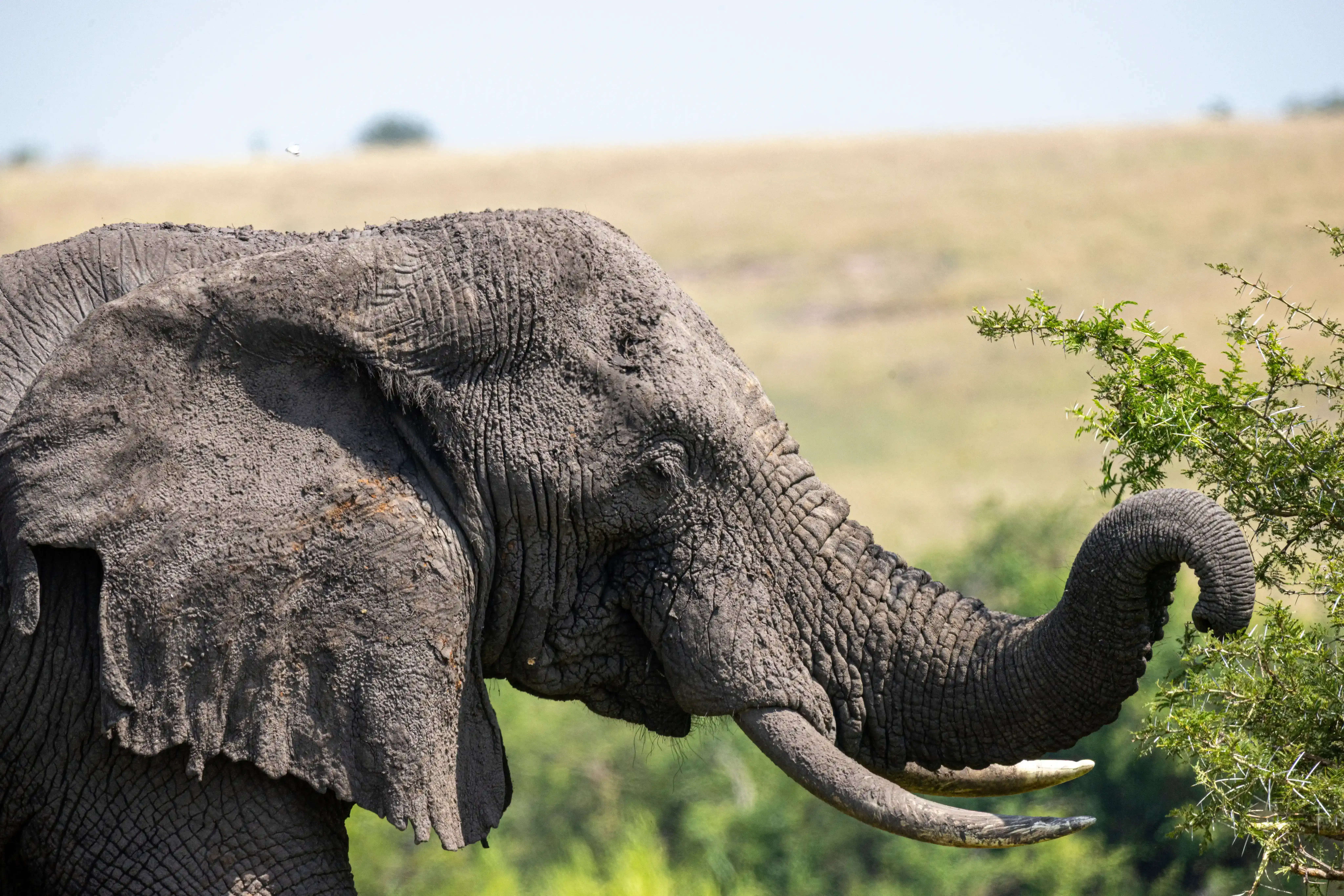
Acacia sieberiana plays an important role in the savannah ecosystem. Elephants feed on its leaves, pods, branches, and roots, contributing to the natural dispersal of its seeds.
The tree also produces nectar, attracting bees and supporting local pollinator activity.
Use by local communities
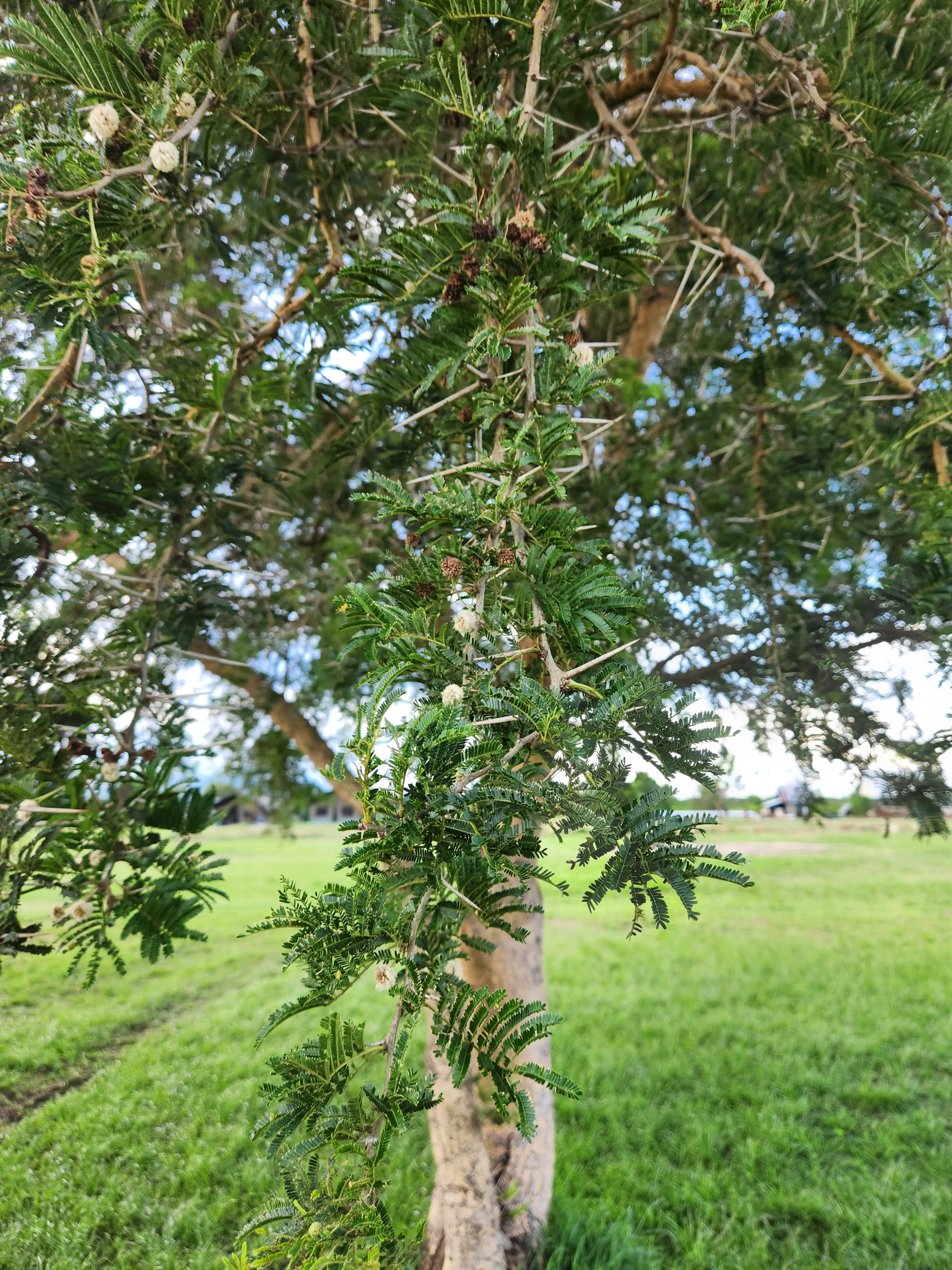
Communities living near the park refer to the species as Mughando (pronounced Muando) in Kihunde and Kinande.
A decoction made from the roots and bark is traditionally used as a vermifuge. Preparations from the bark alone are also used in the treatment of liver and gallbladder conditions.
Adaptation to climate
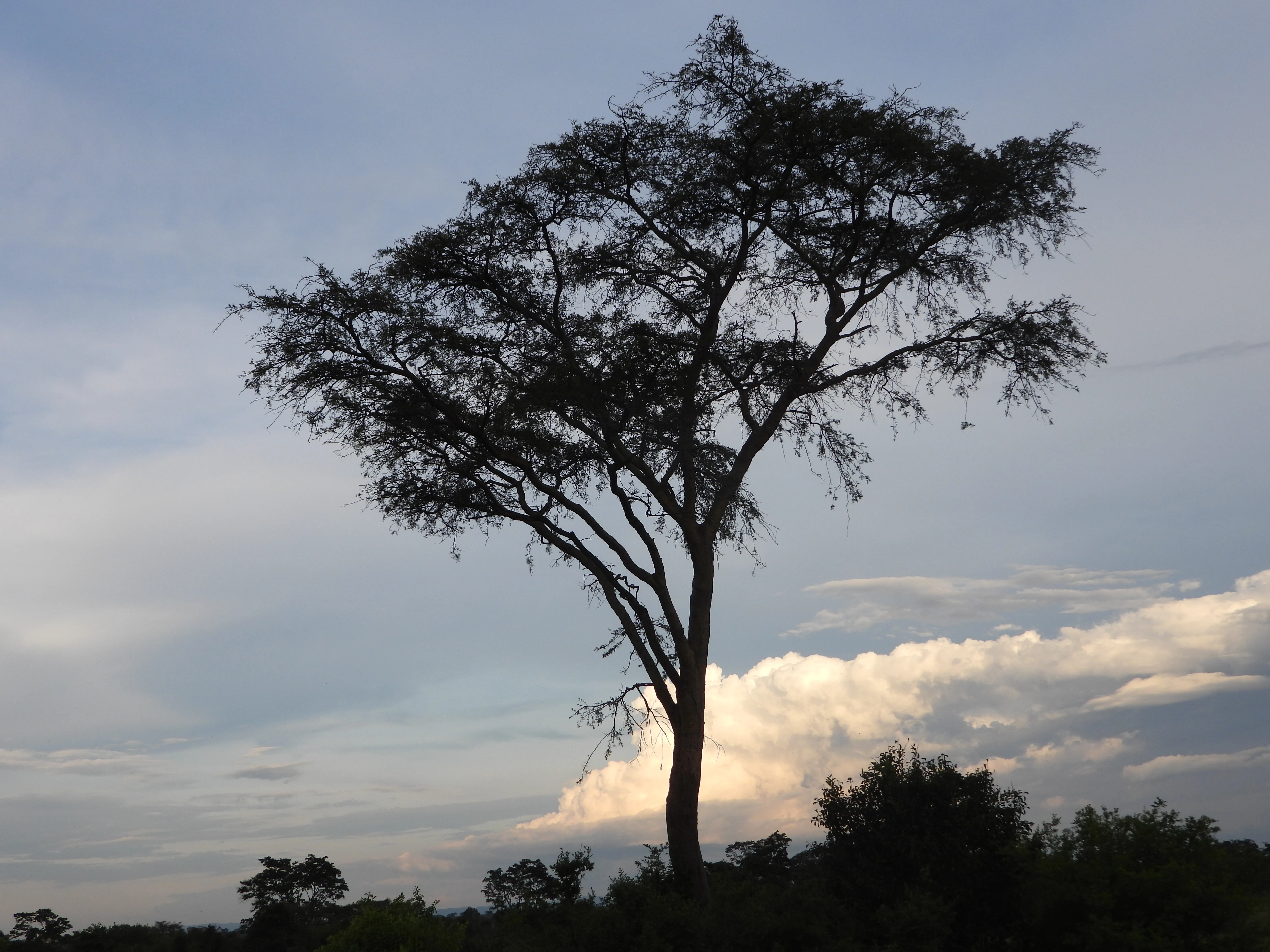
In the low-altitude plains of Virunga, temperatures can be high and water availability limited. Acacia species have adapted to these conditions in several ways.
Their fine, open leaf structure reduces water loss by limiting transpiration. At the same time, parts of the plant have evolved into thorns, which help protect the tree while reducing the surface area exposed to heat.
Similar adaptations can be observed in other species found in the same environment, including Acacia gerardii, Acacia kirkii mildbraedii, and Dichrostachys cinerea, as well as species from the families Capparaceae, Apocynaceae, and Phyllanthaceae.
A species shaped by its environment
Across Virunga’s plains, Acacia sieberiana reflects the balance between climate, wildlife, and landscape. Its structure, use, and ecological role are closely tied to the conditions in which it grows.
Two thirds of Virunga National Park is inside an active Ebola zone. The WHO has declared a global health emergency – and our teams are already responding, using the same strategy that helped stop the 2018–19 epidemic. We need your support to sustain it.
Read More
Help Protect a Ranger
Fund a Project